Introduction
Managing a property effectively requires more than occasional fixes or seasonal cleanups. A well-maintained home or investment property depends on consistent oversight, proactive planning, and a clear understanding of how different systems interact. From structural elements to mechanical systems and aesthetic features, every component plays a role in the overall performance, safety, and value of the property.
Many homeowners fall into the habit of addressing issues only when they become urgent. While this reactive approach may seem manageable in the short term, it often leads to higher costs, more extensive damage, and unnecessary stress. Small problems—like minor leaks, worn materials, or inefficient systems—can escalate quickly if left unaddressed. A proactive maintenance plan helps identify and resolve these issues early, saving both time and money.
Another critical aspect of property maintenance is coordination. Interior systems such as plumbing and heating must work seamlessly with exterior features like landscaping and outdoor structures. When improvements are planned with a holistic view, homeowners can avoid redundant work, reduce disruption, and maximize efficiency. For example, scheduling repairs or upgrades together can minimize labor costs and prevent overlapping service calls.
This guide provides a comprehensive roadmap for maintaining, repairing, and improving your property. It covers essential service areas and offers actionable strategies to help you make informed decisions. Whether you are preparing for a move, upgrading key features, or maintaining long-term performance, a structured approach ensures that every investment contributes to a safer, more efficient, and more valuable property.
By taking control of maintenance planning and working with qualified professionals, homeowners can create a system that supports both immediate needs and long-term goals.
Improve Water Quality and Protect Plumbing Systems

Clean, reliable water is a foundational component of any functional property. Beyond drinking and cooking, water quality impacts appliances, plumbing infrastructure, and overall health. Investing in proper filtration and working with experienced professionals ensures that your water system performs efficiently and safely over time.
Water filtrations systems are designed to remove contaminants such as sediment, chlorine, heavy metals, and bacteria. The right system depends on the specific water issues present in your home. For example, homes with hard water may benefit from softening systems, while others may require reverse osmosis for improved purity. Conducting a water test is the first step in identifying the most effective solution.
A reputable plumbing company plays a key role in both installation and maintenance. Professionals can assess your current system, recommend appropriate upgrades, and ensure that all components are installed correctly. Improper installation can lead to leaks, reduced efficiency, or even contamination, making expert guidance essential.
To maintain optimal performance, homeowners should follow these best practices:
- Replace filters according to manufacturer recommendations
- Schedule periodic inspections to check for leaks or wear
- Monitor water pressure for sudden changes
- Clean or flush systems to prevent buildup
- Address plumbing issues promptly to avoid contamination
Additionally, integrating filtration systems with existing plumbing infrastructure requires careful planning. Coordination ensures that upgrades do not interfere with other systems and that the overall setup remains efficient.
By prioritizing water quality and working with knowledgeable professionals, homeowners can protect their health, extend the lifespan of appliances, and maintain a reliable plumbing system.
Safely Manage Tree Removal and Yard Clearing Projects
Maintaining a safe and visually appealing outdoor space often requires addressing aging or damaged trees. While trees provide shade and aesthetic value, they can also pose significant risks if they become unstable or diseased. Proper removal and site cleanup are essential for protecting both property and occupants.
A professional tree removal service ensures that trees are removed safely and efficiently. Attempting to remove large trees without proper equipment or expertise can lead to property damage or personal injury. Professionals assess factors such as tree size, location, and structural integrity before determining the safest removal method.
Once a tree is removed, stump removal becomes an important next step. Leaving stumps behind can create hazards, attract pests, and lead to unwanted regrowth. Removing the stump also allows for better use of the space, whether for landscaping, construction, or other improvements.
Key considerations for tree and stump removal include:
- Evaluating the health and stability of trees regularly
- Removing trees that are dead, diseased, or structurally compromised
- Grinding or extracting stumps to prevent future issues
- Restoring soil and landscaping after removal
- Ensuring compliance with local regulations and permits
Homeowners should also consider long-term landscaping goals when planning removal projects. Clearing space strategically allows for new plantings or outdoor features that better suit the property’s needs.
By approaching tree removal with a focus on safety and long-term planning, property owners can maintain a functional and attractive outdoor environment.
Plan a Smooth and Efficient Relocation Process

Relocating to a new property involves more than packing and transportation. A successful move requires careful planning, organization, and coordination to minimize disruptions and ensure a smooth transition. Working with experienced moving companies can significantly simplify the process.
The first step in any move is creating a detailed timeline. This should include key milestones such as packing, utility transfers, and final inspections. Breaking the process into manageable steps helps reduce stress and ensures that nothing is overlooked.
Selecting the right moving professionals is equally important. Reputable companies offer services such as packing, transportation, and storage, allowing homeowners to customize their moving experience. When evaluating options, consider factors such as licensing, insurance, and customer reviews.
To streamline the moving process, consider the following tips:
- Declutter belongings before packing to reduce volume
- Label boxes clearly for easier unpacking
- Pack essential items separately for quick access
- Confirm scheduling details with movers in advance
- Conduct a final walkthrough of the property
Proper planning also involves preparing the new property. Ensuring that systems such as plumbing, heating, and electrical are functioning before arrival helps avoid immediate issues.
By taking a structured approach and leveraging professional support, homeowners can make the moving process more efficient and less stressful.
Maintain Durable and Attractive Interior Flooring
Flooring is a significant investment that contributes to both the aesthetic appeal and functionality of a property. Proper care and maintenance are essential for preserving the beauty and durability of hardwood floors over time.
Regular cleaning is the foundation of floor maintenance. Dust and debris can cause scratches if left unaddressed, so sweeping or vacuuming frequently is important. Using appropriate cleaning products also helps maintain the finish and prevents damage.
Preventative measures can extend the lifespan of flooring significantly:
- Use area rugs in high-traffic areas
- Place protective pads under furniture
- Avoid excessive moisture exposure
- Maintain consistent indoor humidity levels
- Clean spills immediately to prevent staining
Over time, floors may show signs of wear such as scratches or fading. Refinishing is often a cost-effective way to restore their appearance without replacing the entire surface. However, severely damaged flooring may require replacement.
Homeowners should also consider how flooring interacts with other systems. For example, maintaining proper humidity levels can prevent warping, while careful planning during renovations can protect floors from damage.
With consistent care and strategic maintenance, hardwood flooring can remain a valuable and attractive feature for years.
Ensure Reliable Indoor Comfort Throughout the Year
Maintaining a comfortable indoor environment requires a reliable heating system, especially during colder months. Regular maintenance and timely repairs are essential for ensuring consistent performance and avoiding unexpected breakdowns.
Heating systems can develop issues over time due to wear and tear. Common signs of problems include uneven heating, unusual noises, and increased energy bills. Addressing these issues early can prevent more extensive damage.
Routine maintenance tasks include:
- Inspecting and cleaning system components
- Replacing filters regularly
- Checking for leaks or blockages
- Testing thermostat functionality
- Scheduling professional inspections annually
Heating repairs should always be handled by qualified professionals to ensure safety and compliance with regulations. Attempting DIY fixes can lead to further complications or safety hazards.
Upgrading to energy-efficient systems may also be a worthwhile investment. Modern units offer improved performance and lower operating costs, making them a practical choice for long-term savings.
By prioritizing maintenance and addressing issues promptly, homeowners can ensure reliable heating and improved energy efficiency.
Repair and Maintain Functional Exterior Features
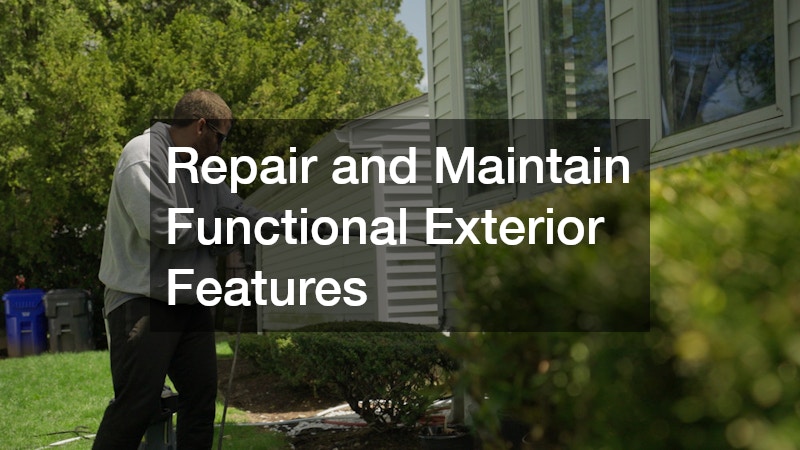
Exterior features such as doors and screened enclosures play a significant role in both functionality and aesthetics. Proper maintenance ensures that these elements remain secure, efficient, and visually appealing.
Sliding glass door repairs are often necessary when doors become difficult to operate or lose their seal. Issues such as worn rollers, damaged tracks, or broken seals can affect both usability and energy efficiency.
Lanai screen repairs are equally important for maintaining outdoor living spaces. Damaged screens can allow pests to enter and reduce the comfort of enclosed areas. Regular inspections help identify tears or structural issues early.
Maintenance tips include:
- Cleaning tracks and frames regularly
- Replacing worn or damaged components promptly
- Ensuring proper sealing to improve energy efficiency
- Inspecting screens for tears or loose fittings
- Scheduling professional repairs when needed
Upgrading materials and components can also enhance durability and performance, reducing the need for frequent repairs.
By maintaining exterior features, homeowners can improve both the functionality and appearance of their property.
Enhance Outdoor Living Spaces with Strategic Upgrades
Outdoor spaces offer valuable opportunities for relaxation and entertainment. Investing in upgrades such as pools can significantly enhance both lifestyle and property value when planned carefully.
Working with experienced swimming pool contractors ensures that projects are designed and executed effectively. Professionals can guide homeowners through decisions related to layout, materials, and safety features.
Key considerations for pool projects include:
- Selecting a design that complements the property
- Choosing durable and low-maintenance materials
- Incorporating safety features such as fencing and covers
- Planning for proper drainage and water management
- Establishing a maintenance routine for long-term care
Integrating the pool with landscaping and other outdoor features creates a cohesive and functional space. Proper planning also helps avoid issues such as drainage problems or structural conflicts.
By investing in well-designed outdoor upgrades, homeowners can create spaces that are both enjoyable and valuable.
Coordinate Indoor and Outdoor Maintenance for Maximum Efficiency
Coordinating maintenance across multiple systems ensures that projects are completed efficiently and without unnecessary complications. A well-organized approach helps prevent delays, reduces costs, and improves overall results.
Strategies for effective coordination include:
- Scheduling related projects together
- Communicating clearly with all service providers
- Prioritizing tasks based on urgency and impact
- Allowing flexibility for unexpected challenges
- Keeping detailed records of work completed
By taking a comprehensive approach, homeowners can streamline maintenance and achieve better outcomes.
Prevent Costly Repairs with Routine Inspections and Maintenance
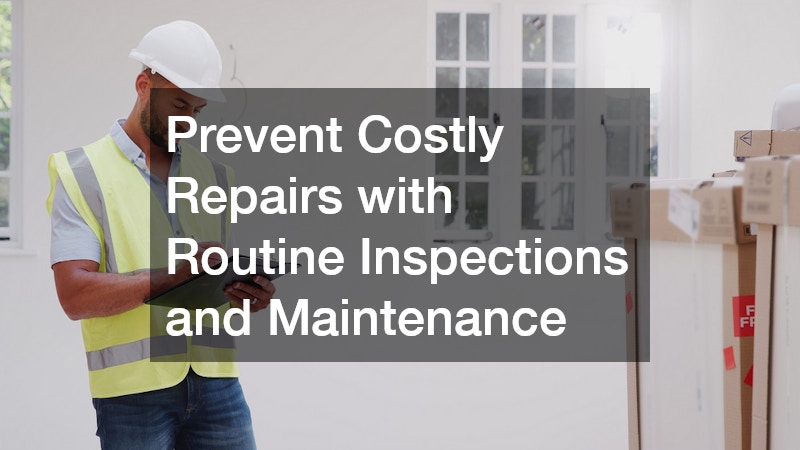
Routine inspections are essential for identifying potential issues before they become major problems. Regular maintenance helps preserve system performance and extend the lifespan of key components.
A proactive maintenance plan should include:
- Seasonal inspections of major systems
- Monitoring for signs of wear or damage
- Addressing minor issues promptly
- Scheduling professional evaluations as needed
- Keeping maintenance records for future reference
This approach reduces the likelihood of unexpected repairs and helps maintain consistent performance.
Budgeting for Property Maintenance and Improvements
Effective budgeting is a critical component of property management. Planning ahead allows homeowners to allocate resources efficiently and avoid financial strain.
Tips for managing maintenance costs include:
- Prioritizing essential repairs
- Obtaining multiple quotes for major projects
- Setting aside emergency funds
- Planning upgrades in phases
- Evaluating long-term cost savings of improvements
A well-structured budget ensures that maintenance and improvements remain manageable and sustainable.
Increasing Property Value Through Strategic Improvements
Strategic improvements can significantly enhance property value and appeal. Focusing on high-impact upgrades ensures the best return on investment.
Key strategies include:
- Updating key systems and features
- Enhancing both interior and exterior spaces
- Improving energy efficiency
- Maintaining consistent quality across upgrades
- Staying informed about market trends
By making thoughtful improvements, homeowners can increase both functionality and resale value.
Conclusion
Maintaining a property at a high level requires consistency, planning, and a willingness to address both small and large issues as they arise. Rather than viewing maintenance as a series of isolated tasks, it is far more effective to approach it as an ongoing strategy that supports the overall health and performance of the home. Every improvement, repair, and inspection contributes to a larger system that, when properly managed, delivers comfort, safety, and long-term value.
One of the most important takeaways is the value of being proactive. Waiting until systems fail often leads to higher costs and greater inconvenience. By contrast, regular inspections and timely upgrades help prevent disruptions and allow homeowners to maintain control over their property’s condition. This approach not only reduces stress but also ensures that resources are used efficiently.
Equally important is the role of planning and coordination. When projects are scheduled thoughtfully and professionals work together effectively, homeowners can avoid unnecessary delays and expenses. This level of organization also makes it easier to prioritize improvements, ensuring that the most critical needs are addressed first while still making progress toward long-term goals.
Ultimately, a well-maintained property is one that adapts to changing needs while maintaining its core functionality and appeal. By committing to ongoing care, leveraging professional expertise, and staying informed about best practices, homeowners can create a space that remains reliable, efficient, and valuable for years to come.